


Best credit cards for bad credit that help you rebuild fast. Compare secured, unsecured, and low-fee options to boost your score with confidence.
Best credit cards for bad credit are usually secured cards, credit-builder cards, and a few unsecured cards made for low scores. These cards help you rebuild credit by reporting to major bureaus and rewarding responsible use. The right choice depends on your score, deposit budget, and spending habits.
Best Credit Cards For Bad Credit 💳
Ever feel like one mistake ruined your entire financial life? You’re not alone. A low credit score can feel like a locked door. But here’s the good news: the right credit card can help you unlock it again.
The best credit cards for bad credit are designed for people rebuilding their scores. These cards report to credit bureaus and help you show positive payment history. Over time, your score can improve. Yes, even if it’s below 600.
What Does “Bad Credit” Really Mean? 📉
Bad credit usually means a FICO score below 580. This can happen after missed payments, defaults, or high balances. Sometimes, it’s just a short credit history.
Lenders see bad credit as risk. So, they charge higher fees or require deposits. But that doesn’t mean you’re stuck forever. With smart use, you can rebuild step by step.
“Your credit score is like a GPA for your money habits.”
How Credit Cards Help Rebuild Your Score 🛠️
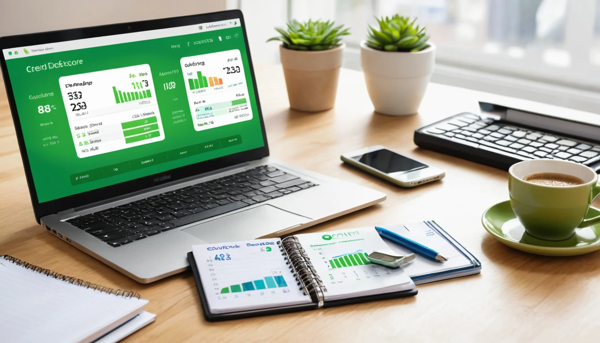
A credit card can be a powerful tool. It reports your payment activity to the three major bureaus. On-time payments increase your score.
Credit cards also improve your credit utilization ratio. That’s how much of your limit you use. Keeping it under 30% is ideal. Over time, these habits boost your score.
Credit Score Factors You Can Control:
- Payment history (35%)
- Credit utilization (30%)
- Length of credit history
- New credit inquiries
- Credit mix
Secured Vs. Unsecured Credit Cards 🔐
Secured cards require a refundable deposit. That deposit becomes your credit limit. Unsecured cards don’t need a deposit but often charge higher fees.
Here’s a quick comparison:
| Feature | Secured Card | Unsecured Card |
| Deposit Required | Yes | No |
| Approval Odds | Higher | Moderate |
| Annual Fees | Low | Often Higher |
| Credit Limit | Based On Deposit | Assigned By Issuer |
| Best For | Beginners & Rebuilders | Those With Fair Credit |
For most people with bad credit, secured cards are the safest starting point.
Best Secured Credit Cards For Bad Credit 🏦
Several secured cards stand out for rebuilding credit. One popular option is the Discover it® Secured Credit Card. It offers cash back and reviews your account for upgrades.
Another solid choice is the Capital One Platinum Secured Credit Card. It may require a lower deposit than your credit limit. That makes it budget-friendly.
These cards report to all major bureaus. That’s key for fast rebuilding.
Best Unsecured Credit Cards For Bad Credit 💼
If you don’t want to pay a deposit, some unsecured cards work too. The Credit One Bank Platinum Visa is designed for low scores.
Unsecured cards often charge annual fees. Interest rates are higher too. So, they’re best if you can pay in full each month.
Always compare fees before applying.
What To Look For In A Credit Card 🔍
Not all credit-builder cards are equal. Some hide fees. Others don’t report to all bureaus.
Here’s what matters most:
- Reports to all three credit bureaus
- Low annual fees
- No hidden monthly fees
- Reasonable APR
- Upgrade path to unsecured
The simpler the card, the better.
How Much Deposit Do You Need? 💰
Secured cards require deposits from $49 to $500 or more. Usually, your deposit equals your credit limit.
For example:
| Deposit | Credit Limit | Good For |
| $200 | $200 | Light spending |
| $300 | $300 | Utility bills |
| $500 | $500 | Larger purchases |
| $1,000 | $1,000 | Higher utilization flexibility |
Start small if money is tight. You can always add more later.
How Fast Can You Improve Your Score? ⏳
You might see changes in three to six months. But real improvement takes consistency. The key is never missing a payment.
Keep your balance low. Pay before the due date. Avoid applying for too many cards at once.
Small habits create big results.
Common Mistakes To Avoid 🚫
Many people hurt their score again without realizing it. Here’s what to avoid:
- Missing even one payment
- Maxing out your card
- Applying for multiple cards quickly
- Closing old accounts too soon
Think of your credit card like a gym membership. It only works if you use it wisely.
Should You Get More Than One Card? 🤔
If you’re just starting, one card is enough. Focus on building good habits first.
After six to twelve months, you can consider another card. This helps improve your credit mix. But only apply if your score has improved.
Patience wins here.
Fees And Interest Rates Explained 📊
Bad credit cards often come with higher APRs. Some charge annual fees between $0 and $99.
Here’s a simple breakdown:
| Fee Type | Typical Cost |
| Annual Fee | $0–$99 |
| APR | 24%–30%+ |
| Late Fee | Up to $40 |
| Foreign Transaction Fee | 0%–3% |
If possible, choose a card with no annual fee. Always pay in full to avoid interest.
Can You Earn Rewards With Bad Credit? 🎁
Yes, but rewards are usually limited. Some secured cards offer 1%–2% cash back. That’s rare but valuable.
For example, Discover’s secured card offers cash back and matches rewards. That’s a strong perk for rebuilding credit.
Still, focus on credit improvement first. Rewards are a bonus.
Steps To Use Your Card The Right Way 📝
Want faster results? Follow this simple plan:
- Use your card for small monthly bills.
- Keep balance under 30% of limit.
- Set up automatic payments.
- Pay in full each month.
- Monitor your credit report regularly.
Consistency builds trust with lenders.
When Can You Upgrade To A Better Card? 🔄
Many secured cards review accounts after 6–12 months. If you’ve paid on time, you may graduate to an unsecured card.
Your deposit gets refunded. Your credit limit may increase too. That’s a big win.
Graduation shows real progress.
Alternatives To Credit Cards For Building Credit 🏗️
Credit-builder loans are another option. These loans hold money in a savings account while you make payments.
You can also become an authorized user on someone’s card. Just make sure they have good habits.
Still, credit cards remain the fastest way for most people.
How To Choose The Right Card For You 🎯
Ask yourself:
- Can I afford a deposit?
- Do I want rewards?
- Can I pay the balance in full monthly?
- Am I okay with annual fees?
Match the card to your lifestyle. Don’t chase flashy offers.
Final Thoughts On The Best Credit Cards For Bad Credit 🏁
Bad credit is not the end of your financial story. It’s just a chapter. The best credit cards for bad credit help you rebuild step by step.
Start with a secured card if possible. Pay on time. Keep balances low. Avoid unnecessary fees. Within a year, you could see major improvements.
Your credit score can rise. You just need the right tool and steady habits.
FAQs
How can I get approved with a 500 score?
Secured cards are your best option. They require a deposit instead of strong credit. Approval odds are much higher.
What is the easiest card for bad credit?
Secured cards from major banks are usually easiest. They focus more on deposits than scores. Just meet income requirements.
Can I raise my score in 3 months?
Yes, small improvements are possible. Make on-time payments and keep balances low. Avoid new applications during this time.
Do bad credit cards have high limits?
Most start with low limits. Secured cards match your deposit amount. Limits may increase after good behavior.
Should I close my secured card later?
Not immediately. Keeping it open helps credit history length. Only close it after upgrading and planning carefully.






Leave a Reply